
Urinary problems can affect daily life in many ways, from sudden pain caused by kidney stones to difficulty passing urine because of a blockage. Fortunately, modern urology offers several minimally invasive techniques that can diagnose and treat many urinary tract conditions without traditional open surgery. Endourology in Rajouri Garden focuses on using specialized instruments and small-access procedures to manage conditions involving the kidneys, ureters, bladder, and urinary tract. For patients, understanding how these procedures work, when they may be recommended, and what recovery involves can make treatment decisions less stressful.
Endourology is a branch of urology that uses small instruments, cameras, and natural urinary passages or tiny access points to diagnose and treat urinary tract conditions. It is commonly used for kidney stones, ureteric stones, urinary blockages, and selected bladder conditions, depending on the patient’s diagnosis and overall health.
What Is Endourology?
Endourology refers to minimally invasive urological procedures performed with specialized endoscopes and other instruments. Instead of making a large surgical incision, a urologist can often reach the affected area through the urinary tract or a small access point.
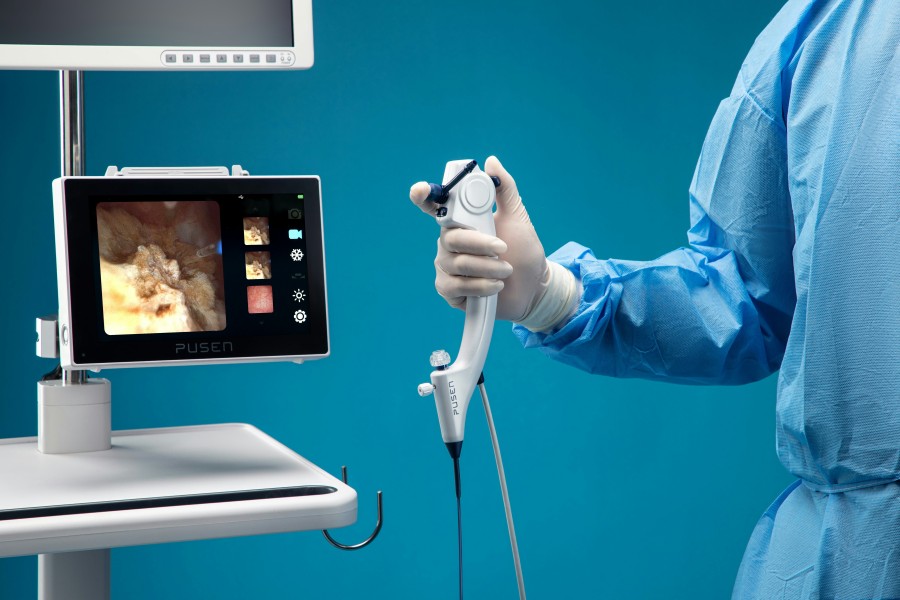
A tiny camera, called an endoscope, allows the specialist to see the urinary system and perform treatment with precision. Depending on the condition, the procedure may involve breaking a stone, removing it, opening a narrowed passage, or addressing another obstruction.
Because different urinary conditions require different approaches, your urologist will first evaluate your symptoms, medical history, imaging results, and test reports before recommending a procedure.
When Is Endourology Recommended?
Endourological procedures can help manage several conditions affecting the urinary system. Common indications include:
- Kidney stones
- Ureteric stones
- Urinary tract blockages
- Some bladder stones
- Narrowing of parts of the urinary tract
- Selected upper urinary tract conditions
Kidney and ureteric stones are among the conditions frequently managed using minimally invasive techniques. However, treatment depends on factors such as stone size, location, composition, symptoms, urinary obstruction, infection, and kidney function.
For example, a small stone may pass naturally with appropriate medical management, while a larger or obstructing stone may require an intervention.
Endourology in Rajouri Garden: Common Treatment Approaches
The term endourology covers several different procedures. Your urologist chooses the most appropriate technique according to the underlying problem.
Ureteroscopy and Laser Stone Treatment
During ureteroscopy, a thin scope passes through the urinary passage toward the ureter or kidney. The urologist can locate the stone and, when appropriate, use a laser to fragment it into smaller pieces.
Depending on the situation, fragments may pass naturally or the specialist may remove them using specialized instruments.
This approach can be useful for appropriately selected ureteric and kidney stones.
Percutaneous Nephrolithotomy
For larger or complex kidney stones, a procedure called percutaneous nephrolithotomy (PCNL) may be considered.
In PCNL, the surgeon creates a small access tract through the skin into the kidney. Specialized instruments then allow the stone to be broken and removed.
PCNL is generally used for selected larger kidney stone burdens rather than routine treatment of every stone.
Cystoscopy
Cystoscopy involves passing a small camera through the urethra to examine the bladder and urethra. It can help identify certain abnormalities and may also allow the urologist to perform specific treatments.
The procedure can be recommended for various urinary symptoms or bladder-related conditions after clinical evaluation.
What Are the Benefits of Minimally Invasive Urological Procedures?
One of the major advantages of endourological treatment is that many procedures avoid the larger incisions associated with conventional open surgery.
Depending on the specific procedure and patient’s condition, potential advantages may include:
- Smaller or no external incisions
- Reduced tissue disruption
- More direct access to urinary tract problems
- Treatment through natural urinary passages in selected procedures
- Potentially shorter recovery than comparable open procedures
However, “minimally invasive” does not mean risk-free. Infection, bleeding, injury to surrounding structures, residual stones, or the need for additional treatment can occur with some procedures.
Your urologist should explain the expected benefits, possible complications, and available alternatives before treatment.
How Is the Right Endourological Procedure Selected?
There is no single procedure that works best for every patient. A proper evaluation helps determine the safest and most effective approach.
Your assessment may include:
- Medical history and physical examination
- Urine testing, particularly when infection is suspected
- Blood tests when clinically indicated
- Ultrasound or CT imaging for appropriate stone or urinary tract assessment
- Evaluation of kidney function and other relevant health conditions
The location and size of a stone, symptoms, previous treatments, urinary infection, anatomy, and overall health can all influence the treatment plan.
Importantly, an obstructed urinary system accompanied by infection can require urgent medical attention. Patients with fever, chills, severe pain, vomiting, or difficulty passing urine should seek prompt medical evaluation.
What Should You Expect Before and After Treatment?
Before an endourological procedure, your urologist will explain the preparation required. This may include medication adjustments, fasting instructions, urine testing, imaging, and other pre-operative assessments depending on the procedure.
After treatment, recovery varies considerably. Some patients experience temporary discomfort, urinary frequency, mild blood in the urine, or burning during urination. These symptoms should be discussed with the treating team so that expected recovery can be distinguished from potential complications.
A temporary ureteral stent may sometimes be placed to help urine drain while the urinary tract heals. If a stent is used, your doctor should explain when and how it needs to be removed or exchanged.
Following prescribed medicines, maintaining appropriate hydration when advised, attending follow-up appointments, and following activity restrictions can support recovery.
Choosing an Endourology Specialist in Rajouri Garden
Choosing a urologist involves more than searching for a nearby clinic. Consider whether the specialist has experience managing your specific condition and whether the facility offers appropriate diagnostic and procedural support.
You may also ask:
- What is the diagnosis?
- Which treatment options are available?
- Why is a particular procedure being recommended?
- Are there non-surgical alternatives?
- What are the potential risks?
- Will a stent or catheter be required?
- What should I expect during recovery?
- Will follow-up imaging or testing be necessary?
Clear communication helps you understand your treatment rather than simply choosing a procedure based on convenience.
For people living in Rajouri Garden, West Delhi, and nearby areas, access to an experienced urology team can make evaluation and follow-up more convenient.
When Should You See a Urologist?
Do not ignore persistent urinary symptoms or recurring stone-related problems. Consider seeking urological evaluation if you experience:
- Recurrent kidney or urinary stones
- Severe or persistent flank pain
- Blood in the urine
- Difficulty passing urine
- Repeated urinary infections
- Painful urination with other concerning symptoms
- Imaging that shows a urinary blockage
Seek urgent medical care when urinary symptoms occur with fever, chills, severe pain, vomiting, or other signs that could indicate an infection or significant obstruction.
Conclusion
Modern endourological techniques have changed how many kidney, ureter, bladder, and urinary tract conditions can be treated. By using small instruments, cameras, and specialized technology, these procedures can address selected problems while limiting the need for traditional open surgery. However, the right treatment always depends on the patient’s diagnosis, anatomy, stone characteristics, symptoms, and overall health. If you are experiencing persistent urinary symptoms or have been diagnosed with a stone or blockage, discussing your options with Dr. Susheel Kharbanda is an important next step. Endourology in Rajouri Garden may provide an appropriate minimally invasive treatment option when clinically indicated.