
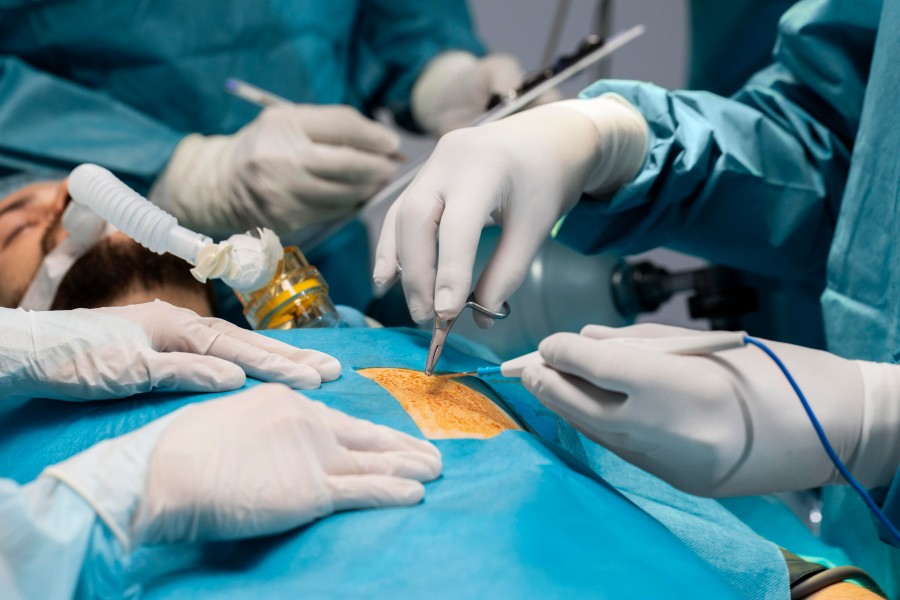
Urinary and urological conditions can sometimes require surgery when medicines or other treatments are not enough. Traditionally, some procedures involved larger incisions and longer recovery periods. Today, minimally invasive techniques have changed the way many urological surgeries are performed. Laparoscopic Urology in Rajouri Garden provides an approach in which selected procedures can be performed through small incisions using specialized instruments and a camera. For patients, understanding how laparoscopic surgery works, which conditions may be treated this way, and what recovery involves can make discussions with Dr. Susheel Kharbanda more informed and less stressful.
Laparoscopic Urology in Rajouri Garden refers to minimally invasive urological surgery performed through small incisions with the help of a camera and specialized instruments. Depending on the condition, it may be used for procedures involving the kidney, ureter, urinary tract, or adrenal gland, offering a less invasive alternative to selected open surgeries.
What Is Laparoscopic Urology?
Laparoscopic urology is a surgical approach used by trained urologists to treat selected conditions affecting the urinary and male reproductive systems. Instead of making one large incision, the surgeon generally creates several small openings through which a camera and fine surgical instruments are introduced.
The camera provides a magnified view of the surgical area on a monitor. This allows the surgeon to perform precise movements while working through the smaller access points.
Laparoscopic surgery is different from endoscopic procedures such as cystoscopy or ureteroscopy. The appropriate technique depends on the location and nature of the condition, the patient’s overall health, and the complexity of the surgery.
Which Urological Conditions May Be Treated Laparoscopically?
Laparoscopic surgery is not suitable for every urinary condition. However, it can be considered for several kidney, ureteral and related urological procedures.
Depending on individual circumstances, laparoscopic techniques may be used for:
- Certain kidney surgeries, including partial or complete removal of a kidney
- Ureteral reconstruction procedures
- Treatment of some cases of ureteropelvic junction obstruction
- Selected adrenal gland surgeries
- Some reconstructive urological procedures
- Certain masses or structural abnormalities involving the urinary system
Kidney stones, for example, are often treated with approaches such as ureteroscopy, shock-wave treatment, or percutaneous procedures rather than conventional laparoscopy. A urologist evaluates the stone’s size, location and other factors before recommending an appropriate technique.
Why the Surgical Approach Matters
Choosing a surgical technique is not simply about selecting the newest option. The priority is to use the safest and most appropriate procedure for the individual condition.
A urologist may consider diagnostic scans, blood and urine tests, previous treatments, medical history, kidney function and other factors before recommending laparoscopic surgery.
Benefits of Minimally Invasive Urological Surgery
When laparoscopic surgery is appropriate, smaller surgical access points can provide several potential advantages compared with some traditional open procedures.
These may include:
- Smaller incisions
- Less disruption to surrounding tissues
- Reduced postoperative discomfort in some cases
- Smaller visible scars
- Earlier movement after surgery
- Potentially shorter hospital stays for selected procedures
- A gradual return to normal activities
However, recovery varies from one patient to another. The type and complexity of surgery, overall health, age and postoperative progress can all influence recovery.
It is also important to remember that minimally invasive surgery is still major surgery when performed for significant urological conditions. It requires careful evaluation and appropriate surgical expertise.
What Can You Expect Before Laparoscopic Surgery?
Preparation usually begins with a detailed consultation. The urologist may review symptoms, previous medical problems, medications and earlier treatments.
Depending on the condition, investigations may include imaging studies such as ultrasound, CT or MRI, along with blood and urine tests. These help the doctor understand the anatomy and determine whether surgery is appropriate.
Before the procedure, patients should also discuss:
- Current medicines and supplements
- Previous surgeries
- Allergies
- Existing medical conditions
- Fasting instructions
- Expected hospital stay
- Postoperative restrictions and follow-up
Clear communication is particularly important if the patient takes blood-thinning medicines or has conditions that may affect anaesthesia or healing.
Recovery After Laparoscopic Urological Surgery
Recovery depends heavily on the procedure performed. Some patients may be able to move around relatively soon after surgery, while more complex procedures require a longer recovery period.
The surgical team may provide instructions regarding wound care, medicines, physical activity, diet and follow-up appointments. Patients should follow these instructions carefully rather than judging recovery only by how the incisions look.
Contacting the medical team is important if there is significant or worsening pain, fever, persistent vomiting, difficulty passing urine, unusual bleeding, wound problems or any other concerning symptom after surgery.
How to Choose a Laparoscopic Urologist in Rajouri Garden
If you are considering laparoscopic urological treatment, look beyond the procedure name. The right specialist should first determine whether minimally invasive surgery is actually appropriate for your condition.
Consider asking:
- What is the exact diagnosis?
- Is laparoscopic surgery suitable in my case?
- Are there non-surgical or less invasive alternatives?
- What are the expected benefits and possible risks?
- What type of anaesthesia will be used?
- How long might recovery take?
- What follow-up care will be required?
- What happens if the planned approach needs to be changed during surgery?
A detailed consultation allows you to understand your treatment options and make a decision based on your individual medical needs.
Frequently Asked Questions
1. What is laparoscopic urology used for?
Laparoscopic urology is used for selected surgical conditions involving structures such as the kidneys, ureters and adrenal glands. Examples can include certain kidney removal procedures, reconstructive surgeries and treatment of some urinary tract obstructions. The exact suitability depends on the diagnosis, anatomy, previous surgeries and overall health of the patient.
2. Is laparoscopic surgery suitable for kidney problems?
Laparoscopic surgery can be suitable for certain kidney conditions, but it is not appropriate for every kidney problem. The treatment depends on the underlying diagnosis. Imaging, kidney function, the size and location of a lesion or obstruction, and other clinical factors help the urologist determine whether laparoscopy or another approach is preferable.
3. Is laparoscopic urological surgery painful?
Some discomfort is expected after any surgical procedure, including laparoscopic surgery. However, because laparoscopic procedures generally use smaller incisions than conventional open surgery, postoperative discomfort may be less for some patients. Pain management is individualized, and patients should follow the prescribed medication and activity instructions during recovery.
4. How long does recovery take after laparoscopic urological surgery?
Recovery time varies according to the specific procedure and the patient’s general health. Some people resume light activities relatively quickly, while complex operations require more recovery time. Your urologist can provide a more useful estimate after reviewing the planned procedure, medical history and expected postoperative course.
5. Where can I consult a laparoscopic urology specialist in Rajouri Garden?
Patients looking for laparoscopic urological care in Rajouri Garden should consult a qualified urologist for an individual assessment. A specialist can review symptoms and diagnostic reports, explain whether minimally invasive surgery is appropriate, discuss alternatives and outline the expected risks, recovery process and follow-up requirements.
Conclusion
Laparoscopic Urology in Rajouri Garden offers a minimally invasive surgical approach for selected urological conditions affecting the kidneys, ureters and related structures. Smaller incisions may support a smoother recovery for appropriate patients, but laparoscopic surgery is not automatically the best option for every urinary problem. The right treatment depends on the diagnosis, medical history, imaging findings and overall health. If you have been advised to undergo urological surgery, discuss the available approaches, potential risks, expected recovery and alternatives with a qualified urologist. A thorough consultation can help you understand whether laparoscopic treatment is suitable for your specific condition and what to expect before and after the procedure.