
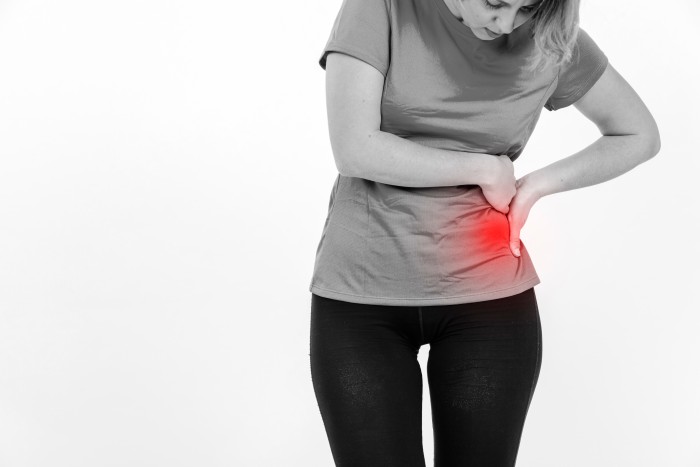
Kidney stones can cause sudden, severe pain that interferes with everyday activities. They develop when minerals and salts in the urine form hard deposits inside the kidneys. Some stones pass naturally, while others require medical treatment. If you are looking for Kidney Stone Treatment in Tilak Nagar, understanding the symptoms, diagnostic process, and available treatment options can help you make informed decisions about your health.
Kidney stone treatment depends on the stone’s size, location, and symptoms. Small stones may pass naturally with medical guidance, while larger stones may require shock wave lithotripsy, ureteroscopy with laser treatment, or PCNL. A urologist can recommend the appropriate option after diagnostic tests. Fever, chills, or difficulty urinating require urgent medical attention.
What Is a Kidney Stone?
A kidney stone is a hard deposit made of minerals and salts that forms inside the urinary system. Stones vary in size, from tiny crystals that pass unnoticed to larger stones that may block urine flow.
Common types include calcium oxalate stones, uric acid stones, struvite stones, and cystine stones. Their composition can influence treatment and prevention strategies.
Not every kidney stone requires surgery. However, a stone that causes persistent pain, blocks urine flow, or contributes to infection needs prompt medical assessment.
Common Symptoms of Kidney Stones
Symptoms depend on the stone’s size, position, and whether it obstructs the urinary tract. Small stones may cause few or no symptoms until they begin moving.
Watch for these warning signs:
- Sharp pain in the side, back, or lower abdomen
- Pain that comes in waves and may spread towards the groin
- Blood in the urine, making it appear pink, red, or brown
- Burning or discomfort while urinating
- Frequent or urgent urination
- Nausea and vomiting
- Cloudy or foul-smelling urine, particularly if an infection is present
Seek urgent medical care if you have fever or chills with suspected kidney stones, difficulty passing urine, or severe uncontrolled pain. A stone can obstruct urine flow, and an infected obstructed kidney is a medical emergency.
How Are Kidney Stones Diagnosed?
A urologist evaluates your symptoms, medical history, and examination findings before recommending appropriate tests. Accurate diagnosis helps determine the stone’s size, location, and effect on the urinary tract.
1. Urine and blood tests
Urine tests can identify blood, signs of infection, and other abnormalities. Blood tests may assess kidney function and measure substances such as calcium or uric acid when appropriate.
2. Imaging tests
An ultrasound can identify many kidney stones and detect swelling caused by obstruction. A non-contrast CT scan may be recommended when more detailed information is needed, particularly during an acute episode of suspected renal colic.
3. Stone analysis
If you pass or have a stone removed, laboratory analysis can identify its composition. This information may help your doctor recommend dietary changes or preventive treatment to reduce the risk of recurrence.
Kidney Stone Treatment in Tilak Nagar: Available Options
The right treatment depends on the stone’s size, location, composition, symptoms, kidney function, and presence of infection or obstruction. A urologist will discuss the most suitable approach after evaluating these factors.
1. Observation and medical management
Small stones may pass naturally without a procedure. Your doctor may recommend appropriate pain relief, normal fluid intake according to your medical condition, and follow-up imaging to confirm that the stone has passed.
Certain medicines may help selected patients pass a ureteral stone. However, medication is not suitable for every stone, and treatment should be guided by a clinician.
2. Extracorporeal shock wave lithotripsy (ESWL)
ESWL uses focused shock waves from outside the body to break a stone into smaller fragments. The fragments can then pass through the urinary tract.
This option may suit selected kidney or upper ureter stones, depending on their size, position, hardness, and other clinical factors. It may not be appropriate for every patient, and additional treatment can sometimes be necessary.
3. Ureteroscopy with laser lithotripsy
During ureteroscopy, a doctor passes a thin instrument through the urinary passage to reach the stone. A laser can break the stone into smaller pieces for removal or passage.
This procedure is commonly considered for ureteral stones and selected kidney stones. A temporary ureteral stent may be placed to support urine drainage, although a stent is not needed in every case.
4. Percutaneous nephrolithotomy (PCNL)
PCNL is a procedure used mainly for large or complex kidney stones. The surgeon creates a small opening through the back to access and remove the stone.
It is often considered for stones that are too large or unsuitable for less invasive treatments. The decision depends on the stone burden and the patient’s overall health.
Important: An infected, obstructed urinary system may require urgent drainage with a ureteral stent or nephrostomy tube and antibiotics. Definitive stone removal is generally delayed until the infection is controlled.
Who Is at Higher Risk of Developing Kidney Stones?
Certain factors increase the likelihood of stone formation, including:
- Not drinking enough fluids
- A previous history of kidney stones
- A family history of stones
- High salt intake or certain dietary patterns
- Some metabolic conditions and digestive disorders
- Recurrent urinary infections with particular bacteria
- Certain medicines or inherited conditions
People who have had repeated stones may benefit from a metabolic evaluation, which can include blood tests and, in selected cases, a 24-hour urine collection.
How Can You Prevent Kidney Stones?
Prevention depends partly on the type of stone you have. Still, several practical measures can help reduce risk.
- Drink enough fluids: Aim for sufficient water throughout the day to produce pale urine, unless your doctor has advised fluid restriction. People prone to stones may need a higher fluid intake.
- Reduce excess salt: High sodium intake can increase calcium in the urine. Limit heavily salted packaged foods and avoid adding unnecessary salt.
- Maintain normal dietary calcium: Do not eliminate calcium-rich foods without medical advice. Normal dietary calcium can help reduce the absorption of oxalate in the gut.
- Balance your diet: Eat a varied diet with vegetables, fruits, and appropriate portions of protein. Specific restrictions depend on the type of stone.
- Follow your prevention plan: Your doctor may prescribe medicines or recommend targeted dietary changes based on test results.
If you have recurring stones, ask your urologist which preventive measures are appropriate for your individual risk factors.
When Should You Consult a Urologist in Tilak Nagar?
Arrange a medical assessment if you experience repeated flank pain, blood in the urine, painful urination, or a history of stones with new symptoms. Do not assume that severe pain will settle on its own.
Choose a qualified urologist who can arrange appropriate investigations, explain the benefits and limitations of treatment options, and provide follow-up care. If you have fever with suspected stones, persistent vomiting, an inability to urinate, or severe uncontrolled pain, seek urgent medical attention rather than waiting for a routine appointment.
Frequently Asked Questions
1. Can kidney stones pass naturally without surgery?
Yes, some small kidney stones pass naturally through the urine. Your doctor may recommend observation, appropriate pain relief, and follow-up imaging. However, stones that cause persistent obstruction, infection, or uncontrolled pain may need a procedure. Never rely on home remedies alone if symptoms are severe or worsening.
2. Which treatment is best for kidney stones?
The best treatment depends on the stone’s size, location, composition, and whether it blocks urine flow. Small stones may pass naturally, while others may require ESWL, ureteroscopy with laser lithotripsy, or PCNL. A urologist can recommend an appropriate treatment after reviewing imaging results and your medical history.
3. When should I see a urologist for kidney stones?
Consult a urologist if you experience sharp pain in your side or back, blood in your urine, or recurring urinary symptoms. Seek urgent medical care if you develop fever or chills, cannot pass urine, have persistent vomiting, or experience severe uncontrolled pain. These symptoms may indicate a complication requiring prompt treatment.
4. Where can I get kidney stone treatment in Tilak Nagar?
Look for a qualified urologist or hospital that offers appropriate diagnostic tests, discusses available treatment methods, and provides follow-up care. Before choosing a provider, confirm the available procedures, consultation arrangements, and emergency services. Patients with fever or severe symptoms should seek urgent medical attention rather than delay care while comparing clinics.
5. How can I prevent kidney stones from coming back?
Drink sufficient water unless your doctor has restricted your fluid intake, reduce excess salt, and maintain normal dietary calcium. Your prevention plan may also involve dietary adjustments or medication based on the type of stone. If stones recur, your doctor may recommend stone analysis and metabolic testing to identify specific risk factors.
Conclusion
Kidney stones can range from minor deposits that pass naturally to painful obstructions requiring medical intervention. Recognizing symptoms early, completing the recommended diagnostic tests, and understanding available treatments can help you make informed decisions. The right Kidney Stone Treatment in Tilak Nagar depends on the stone’s size, location, associated complications, and your overall health. Staying hydrated, limiting excess salt, and following a personalized prevention plan may also reduce the risk of recurrence. If you experience persistent pain, blood in your urine, or repeated stone episodes, consult Dr. Susheel Kharbanda. For fever, chills, or difficulty passing urine, seek urgent medical care rather than waiting for a routine appointment.