
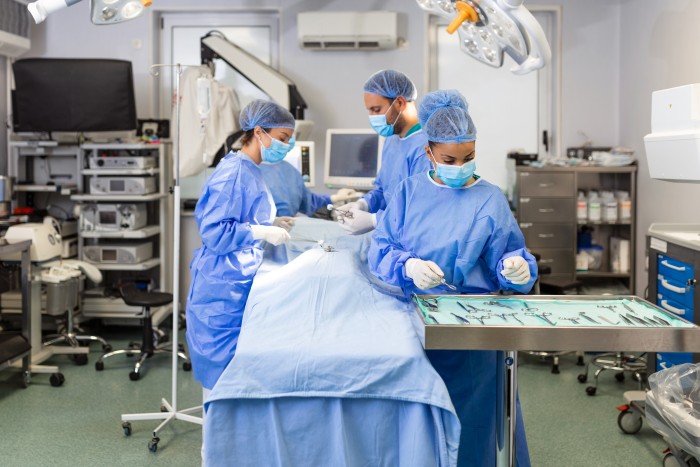
Laparoscopic urology has changed the way many urological conditions are treated. Instead of relying on a large surgical incision, laparoscopic procedures use small openings and specialized instruments to access the urinary system. This approach can be considered for selected kidney, ureter, adrenal, and other urological conditions. For patients looking for Laparoscopic Urology in Rajouri Garden Delhi, understanding which conditions may benefit from minimally invasive surgery is an important first step. From certain complex kidney stones to selected kidney tumors, the right surgical approach depends on the diagnosis, size and location of the problem, overall health, and the surgeon’s assessment.
Laparoscopic urology involves minimally invasive surgical techniques used to treat selected conditions affecting the kidneys, ureters, adrenal glands, and urinary system. Depending on the diagnosis, procedures may address kidney stones, kidney or renal masses, ureteral problems, cysts, and other conditions where laparoscopic surgery is clinically appropriate.
What Is Laparoscopic Urology?
Laparoscopic urology refers to minimally invasive urological procedures performed through a few small incisions rather than one larger surgical opening. A thin camera called a laparoscope provides a magnified view of the surgical area, while specialized instruments allow the surgeon to perform the required procedure.
In suitable patients, this approach may offer benefits such as smaller incisions, less postoperative discomfort, shorter hospital stays, and a potentially quicker return to routine activities. However, laparoscopic surgery is not automatically the best option for every patient.
The choice depends on factors such as the condition being treated, previous surgeries, anatomy, disease severity, and the surgeon’s experience.
Conditions That May Be Treated with Laparoscopic Urology
1. Selected Kidney Stones
Kidney stones often cause severe flank pain, blood in the urine, nausea, or urinary symptoms. Many stones can be managed with medication, shock wave treatment, ureteroscopy, or other endourological procedures.
However, some large, complex, or difficult-to-access stones may require surgical intervention. In specific situations, laparoscopic or robotic-assisted approaches can be considered, particularly when other less invasive treatments are unsuitable or have not provided the desired result.
The treatment plan should always follow proper imaging and urological evaluation rather than relying only on stone size.
2. Kidney Tumors and Renal Masses
Laparoscopic surgery can play an important role in the management of selected kidney tumors. When a kidney mass requires surgical treatment, the surgeon may consider partial nephrectomy, which removes the tumor while preserving as much healthy kidney tissue as possible.
For certain localized kidney cancers, partial nephrectomy may be preferred when technically and clinically appropriate. In other cases, radical nephrectomy, which involves removing the affected kidney, may be necessary.
The decision depends on tumor size, location, kidney function, overall health, and other clinical factors.
3. Kidney Cysts
Many kidney cysts are harmless and do not require treatment. However, a large or symptomatic cyst may sometimes cause discomfort, pressure, infection, or obstruction.
When intervention becomes necessary, laparoscopic cyst decortication or deroofing may be considered for selected patients. Before treatment, imaging helps determine whether the cyst appears simple or has features that require further evaluation.
4. Ureteral Conditions
The ureters carry urine from the kidneys to the bladder. Certain conditions can cause narrowing, obstruction, or other structural problems in these tubes.
In selected cases, laparoscopic reconstruction or repair may be used to restore urine flow. For example, a patient with a specific ureteral narrowing may require a reconstructive procedure after detailed imaging and functional assessment.
The treatment depends on the location and cause of the obstruction.
5. Ureteropelvic Junction Obstruction
Ureteropelvic junction (UPJ) obstruction occurs when the connection between the kidney and ureter becomes narrowed or blocked. This can interfere with normal urine drainage and may lead to pain, recurrent infections, or deterioration in kidney function.
A procedure called pyeloplasty can correct the obstruction. Laparoscopic pyeloplasty is one minimally invasive option for appropriately selected patients.
6. Adrenal Conditions
Although the adrenal glands are not part of the urinary tract, they are commonly managed within urological practice. Certain adrenal tumors or masses may require surgical removal.
For appropriately selected patients, laparoscopic adrenalectomy can remove the affected adrenal gland through small incisions. The surgical plan depends on the size and characteristics of the mass, hormonal activity, and other medical considerations.
Laparoscopic Urology in Rajouri Garden Delhi: When Is It Considered?
Patients considering Laparoscopic Urology in Rajouri Garden Delhi should first receive a detailed evaluation from Dr. Susheel Kharbanda. The consultation may include a medical history, physical examination, urine and blood tests, ultrasound, CT scan, MRI, or other investigations depending on the condition.
Importantly, minimally invasive surgery does not mean that every condition should be treated laparoscopically. A responsible treatment plan considers all appropriate options and explains their potential benefits, limitations, and risks.
What Factors Influence the Treatment Choice?
Several factors can affect whether laparoscopic surgery is suitable:
- Type and severity of the urological condition
- Size and location of a stone or tumor
- Kidney function
- Previous abdominal or pelvic surgery
- Overall health and other medical conditions
- Results of imaging and laboratory tests
- Availability of suitable surgical expertise
This individualized approach helps the patient understand why one procedure may be recommended over another.
Benefits and Limitations of Laparoscopic Surgery
When appropriate, laparoscopic urological surgery may provide several advantages:
- Smaller surgical incisions
- Less tissue disruption compared with traditional open surgery
- Reduced postoperative discomfort in many patients
- Shorter hospital recovery in selected procedures
- Earlier return to normal activities
- Smaller scars
Nevertheless, laparoscopic surgery remains a major surgical procedure. It can involve risks such as bleeding, infection, injury to nearby organs, anesthesia-related complications, or the need to change to an open approach in certain circumstances.
A surgeon should explain these possibilities before treatment.
What Can Patients Expect During Recovery?
Recovery varies considerably depending on the procedure and the patient’s health. After surgery, the medical team monitors pain, urine output, kidney function, wound healing, and other relevant factors.
Patients usually receive instructions about medication, wound care, physical activity, diet, and follow-up appointments. Heavy lifting and strenuous activities may need to be avoided temporarily.
Follow-up is particularly important after surgery for a kidney tumor or other significant urological condition. Additional imaging or laboratory tests may be recommended based on the diagnosis and treatment performed.
Choosing a Urologist for Minimally Invasive Treatment
Choosing the right specialist involves more than simply looking for a surgeon who performs laparoscopic procedures. Patients should consider the urologist’s experience with the specific condition, the available surgical facilities, diagnostic support, and the proposed treatment plan.
During consultation, useful questions include:
- Is laparoscopic surgery appropriate for my condition?
- What alternatives are available?
- What are the expected benefits and risks?
- How much kidney tissue can be preserved, if relevant?
- What should I expect during recovery?
- What follow-up will I need after surgery?
Clear communication can help patients make informed decisions about their care.
Conclusion
Laparoscopic urology provides a minimally invasive option for treating several carefully selected urological conditions. Depending on the diagnosis, it may be used for procedures involving kidney stones, kidney tumors, cysts, ureteral obstruction, UPJ obstruction, and certain adrenal conditions. However, treatment should never depend on the surgical technique alone. A thorough evaluation, appropriate imaging, kidney-function assessment, and discussion of available alternatives are essential.
If you are exploring Laparoscopic Urology in Rajouri Garden Delhi, consult Dr. Susheel Kharbanda to understand whether minimally invasive surgery is suitable for your specific condition. An individualized treatment plan can help balance effective disease management, preservation of kidney function, safety, and recovery.