
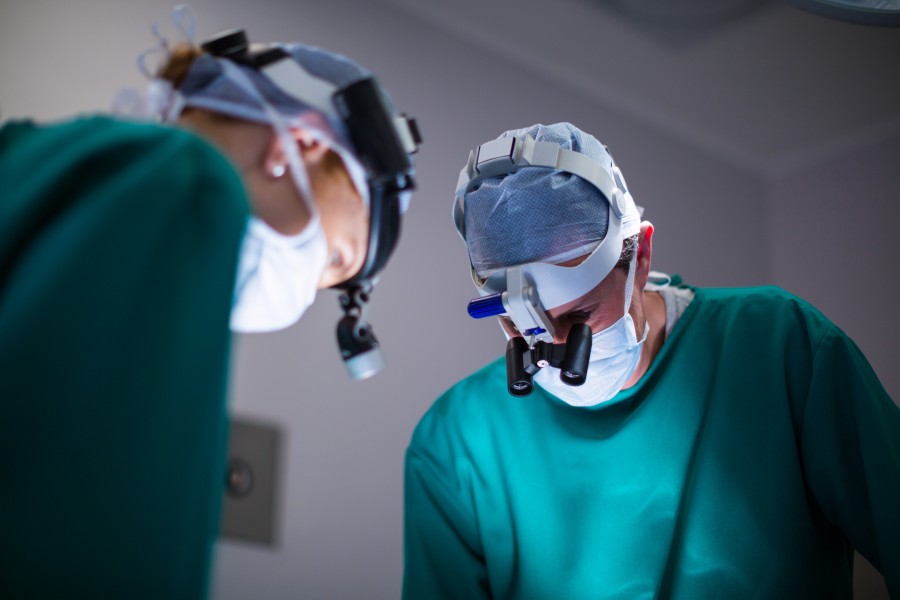
Urological conditions can sometimes require surgery when medicines or other treatments do not provide adequate relief. Traditionally, many urinary and kidney-related procedures involved larger incisions. Today, laparoscopic techniques offer a minimally invasive alternative for selected patients. If you are exploring Laparoscopic Urology in Subhash Nagar, understanding how these procedures work, their potential benefits, and the recovery process can help you have a more informed discussion with a urologist.
Laparoscopic urology uses small abdominal incisions and specialized instruments to perform selected urinary tract, kidney, adrenal, and other urological procedures. Compared with conventional open surgery, it may involve smaller incisions, less postoperative discomfort, and a potentially quicker recovery. Suitability depends on the condition, medical history, and surgeon’s assessment.
What Is Laparoscopic Urology?
Laparoscopic urology is a surgical approach that uses a thin camera, called a laparoscope, along with specialized instruments. Instead of making one large incision, the surgeon usually creates several small openings through which the camera and instruments are introduced.
The camera provides a magnified view of the surgical area on a monitor. This allows the surgeon to work precisely while minimizing disruption to surrounding tissues.
Laparoscopic surgery is performed under general anesthesia. The exact technique, number of incisions, and duration of the procedure depend on the type of surgery and the patient’s individual circumstances.
Importantly, not every urological problem requires laparoscopic surgery. A urologist first evaluates the diagnosis, imaging results, symptoms, overall health, and previous surgical history before recommending an appropriate approach.
Which Urological Procedures Can Be Performed Laparoscopically?
Laparoscopic techniques can be used for several procedures involving the kidneys, adrenal glands, ureters, and other structures. The choice depends on the patient’s condition and the surgeon’s expertise.
Common Laparoscopic Urology Procedures
Some procedures that may be performed using a laparoscopic approach include:
- Laparoscopic nephrectomy: Removal of part or all of a kidney when clinically indicated.
- Partial nephrectomy: Removal of a kidney lesion while preserving as much healthy kidney tissue as possible.
- Pyeloplasty: Surgical correction of a blockage where the kidney meets the ureter.
- Adrenal surgery: Removal of an adrenal gland or adrenal mass in selected cases.
- Laparoscopic ureteric procedures: Selected conditions affecting the ureter may also be treated using minimally invasive techniques.
- Other reconstructive procedures: Certain complex urological conditions may be suitable for laparoscopic management after careful evaluation.
The procedure recommended for you will depend on the underlying problem rather than simply the preference for minimally invasive surgery.
Benefits of Laparoscopic Urology
One of the main reasons patients and surgeons consider laparoscopic techniques is the smaller surgical access compared with traditional open surgery.
Potential benefits may include:
- Smaller incisions
- Less tissue disruption
- Reduced postoperative discomfort in many cases
- Smaller scars
- Earlier mobility after surgery
- Shorter hospital stay for some procedures
- Earlier return to routine activities, depending on the operation and individual recovery
However, these benefits should not be interpreted as a guarantee. Recovery varies considerably between patients. The complexity of the surgery, overall health, age, previous operations, and the specific condition being treated can all influence the outcome.
A qualified urologist can explain the expected advantages and limitations of laparoscopic surgery in your particular situation.
Laparoscopic vs Open Urological Surgery
The key difference between the two approaches is how the surgeon accesses the affected area.
Open surgery generally uses a larger incision, providing direct access to the surgical site. Laparoscopic surgery uses smaller incisions, a camera, and specialized instruments.
Laparoscopic surgery can offer advantages for appropriately selected patients, but open surgery still has an important role. Some conditions, extensive disease, previous abdominal operations, or unexpected findings may make an open approach more appropriate.
Therefore, the question should not simply be whether laparoscopic surgery is “better.” The more useful question is which surgical approach offers the safest and most suitable treatment for the individual’s condition.
What Happens Before Laparoscopic Urology Surgery?
Preparation begins with an assessment of the patient’s medical history and current symptoms. The urologist may recommend blood tests, urine tests, ultrasound, CT scans, MRI, or other investigations depending on the suspected condition.
Before surgery, patients should tell their healthcare team about:
- Current medicines and supplements
- Previous surgeries
- Allergies
- Existing medical conditions
- Any history of anesthesia-related problems
The surgical team may also provide instructions regarding fasting, medicines, smoking, and physical activity before the procedure.
Understanding these instructions and following them carefully can help make the surgical process safer and more organized.
What Is Recovery Like After Laparoscopic Surgery?
Recovery depends heavily on the procedure performed. Some patients can return home relatively soon after surgery, while more complex operations may require a longer hospital stay.
During the initial recovery period, mild abdominal discomfort, tiredness, and temporary changes in activity levels may occur. The healthcare team will provide guidance on pain management, wound care, diet, walking, and gradually returning to normal activities.
Practical Recovery Tips
Patients can support recovery by:
- Taking prescribed medicines as directed
- Keeping incision sites clean and following wound-care instructions
- Walking gradually as advised
- Avoiding strenuous lifting until cleared by the surgeon
- Staying adequately hydrated unless fluid restriction has been advised
- Attending scheduled follow-up appointments
- Contacting the medical team if unusual symptoms develop
Do not judge recovery solely by how quickly someone else returned to normal activities. Every surgery and patient is different.
When Should You Consult a Urologist?
Persistent urinary symptoms, recurrent urinary infections, blood in the urine, kidney-related problems, abnormal imaging findings, or diagnosed conditions requiring surgical evaluation may warrant consultation with a urologist.
A consultation is especially important when symptoms persist, worsen, or interfere with daily life. Early evaluation can help identify the cause and determine whether medicines, observation, endoscopic treatment, laparoscopic surgery, or another approach is appropriate.
If you are looking for Laparoscopic Urology in Subhash Nagar, consider a specialist who explains the diagnosis, treatment alternatives, expected recovery, possible risks, and follow-up plan clearly.
Frequently Asked Questions
1. What conditions can laparoscopic urology treat?
Laparoscopic urology can be used for selected kidney, adrenal, ureteric, and urinary tract conditions. Examples include certain kidney tumors, kidney obstruction requiring pyeloplasty, and conditions requiring kidney or adrenal surgery. The appropriate technique depends on the diagnosis, imaging findings, overall health, and complexity of the condition.
2. Is laparoscopic urology surgery painful?
Laparoscopic surgery generally involves smaller incisions than traditional open surgery, which may reduce postoperative discomfort for many patients. However, some pain or soreness is expected after an operation. Your surgeon can explain the likely discomfort, pain-management options, and warning signs that require medical attention.
3. How long does it take to recover from laparoscopic urology surgery?
Recovery time varies according to the procedure and the patient’s health. Some people resume light daily activities relatively quickly, while more complex procedures require additional recovery time. Your surgeon will provide individualized guidance about walking, work, exercise, driving, and lifting after the operation.
4. How do I choose a laparoscopic urologist in Subhash Nagar?
Look for a qualified urologist with relevant experience in the specific laparoscopic procedure you may need. During consultation, ask about the diagnosis, surgical alternatives, expected benefits, possible complications, recovery, and follow-up care. Clear communication and an individualized treatment plan are important parts of good surgical care.
5. Is laparoscopic surgery suitable for every urological condition?
No. Laparoscopic surgery is not appropriate for every patient or every urological condition. The decision depends on the diagnosis, disease extent, previous surgeries, anatomy, overall health, and other clinical factors. A urologist should assess these factors before recommending laparoscopic or another surgical approach.
Conclusion
Laparoscopic urology has expanded the options available for treating several kidney, adrenal, ureteric, and urinary tract conditions through minimally invasive techniques. Smaller incisions can offer practical recovery advantages for appropriately selected patients, although the safest approach varies from person to person.
If you are considering Laparoscopic Urology in Subhash Nagar, focus on understanding your diagnosis and discussing all suitable treatment options with Dr. Susheel Kharbanda. Ask about the procedure, potential risks, recovery timeline, and follow-up requirements before making a decision. A personalized medical evaluation remains the most reliable way to determine whether laparoscopic surgery is appropriate for you.